
Recent Publications
-
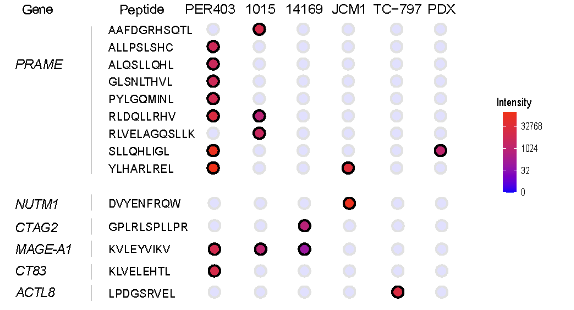
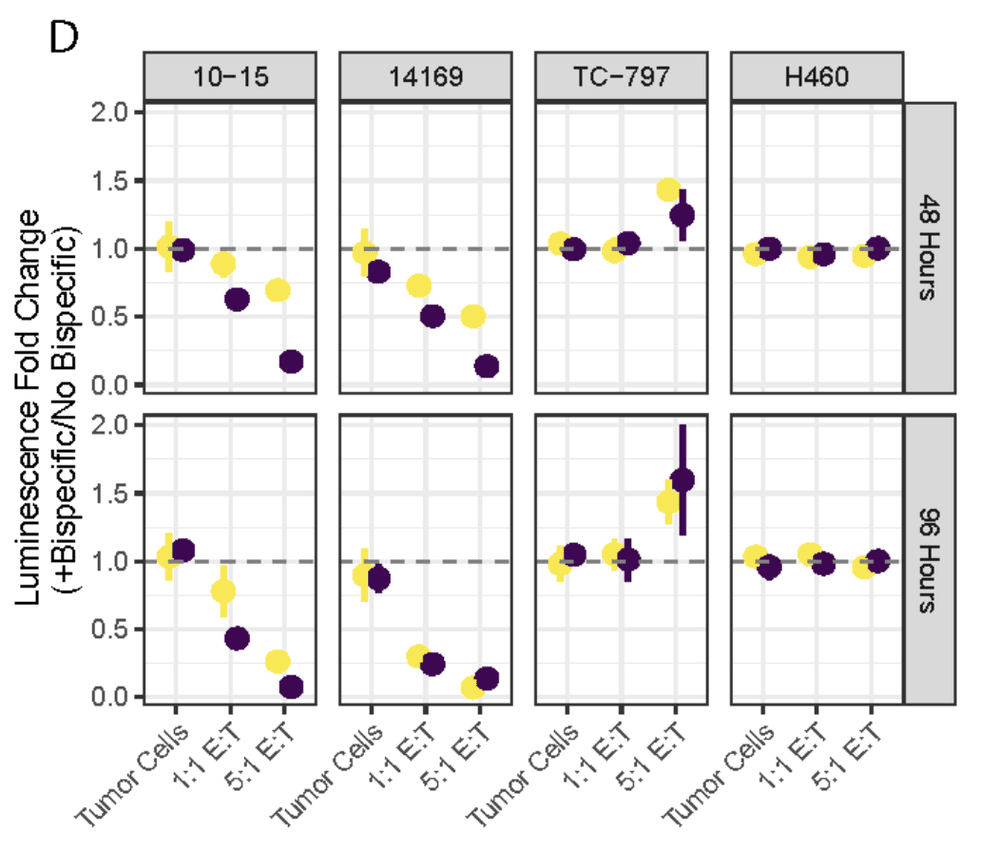
Shared PRAME epitopes are T-cell targets in NUT carcinoma
We identify PRAME as a frequently expressed cancer/testis antigen in NUT carcinoma and confirm presentation of PRAME-derived HLA ligands using targeted mass spectrometry. PRAME-targeting T-cell receptor therapies kill NUT carcinoma cells in vitro, supporting further clinical investigation.
-
Conditional generation of real antigen-specific T cell receptor sequences
We introduce TCR-TRANSLATE, a sequence-to-sequence framework that adapts methods from low-resource machine translation to generate T-cell receptor sequences conditioned on target antigens. We experimentally validate a designed receptor against Wilms’ tumor antigen, while identifying cross-reactivity with pathogen-derived peptides that highlights remaining challenges in specificity.
-
PGV001, a Multi-Peptide Personalized Neoantigen Vaccine Platform: Phase I Study in Patients with Solid and Hematologic Malignancies in the Adjuvant Setting
This phase 1 study evaluates personalized peptide vaccines targeting neoantigens selected by the OpenVax computational pipeline in patients with solid and hematologic malignancies at high risk of recurrence. The study demonstrates feasibility and induction of targeted T-cell and B-cell responses.
-
Atezolizumab plus personalized neoantigen vaccination in urothelial cancer: a phase 1 trial
This phase 1 trial evaluates the combination of atezolizumab and personalized neoantigen vaccination in urothelial cancer, examining the feasibility, safety, and immune responses associated with the combination.
-
LENS: Landscape of Effective Neoantigens Software
LENS is an open-source Nextflow workflow for predicting tumor antigens from mutations, gene fusions, splice variants, cancer/testis antigens, overexpressed genes, and viral sources. An analysis of 115 acute myeloid leukemia samples demonstrates its use for antigen discovery across multiple genomic sources.
-
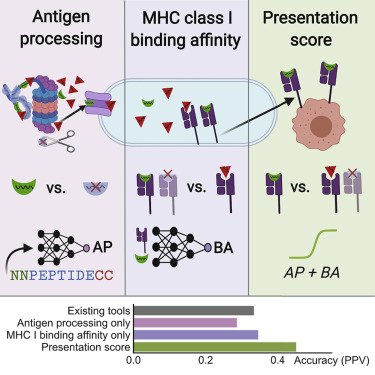
MHCflurry 2.0: Improved Pan-Allele Prediction of MHC Class I-Presented Peptides by Incorporating Antigen Processing
This paper presents an extensions of our peptide-MHC binding predictor MHCflurry to explicitly consider allele-invariant sequence motifs that correspond to signatures of antigen processing by the proteasome, TAP, and ERAP. The antigen processing score is combined with an allele specific MHC affinity score to derive a combined presentation score.
-
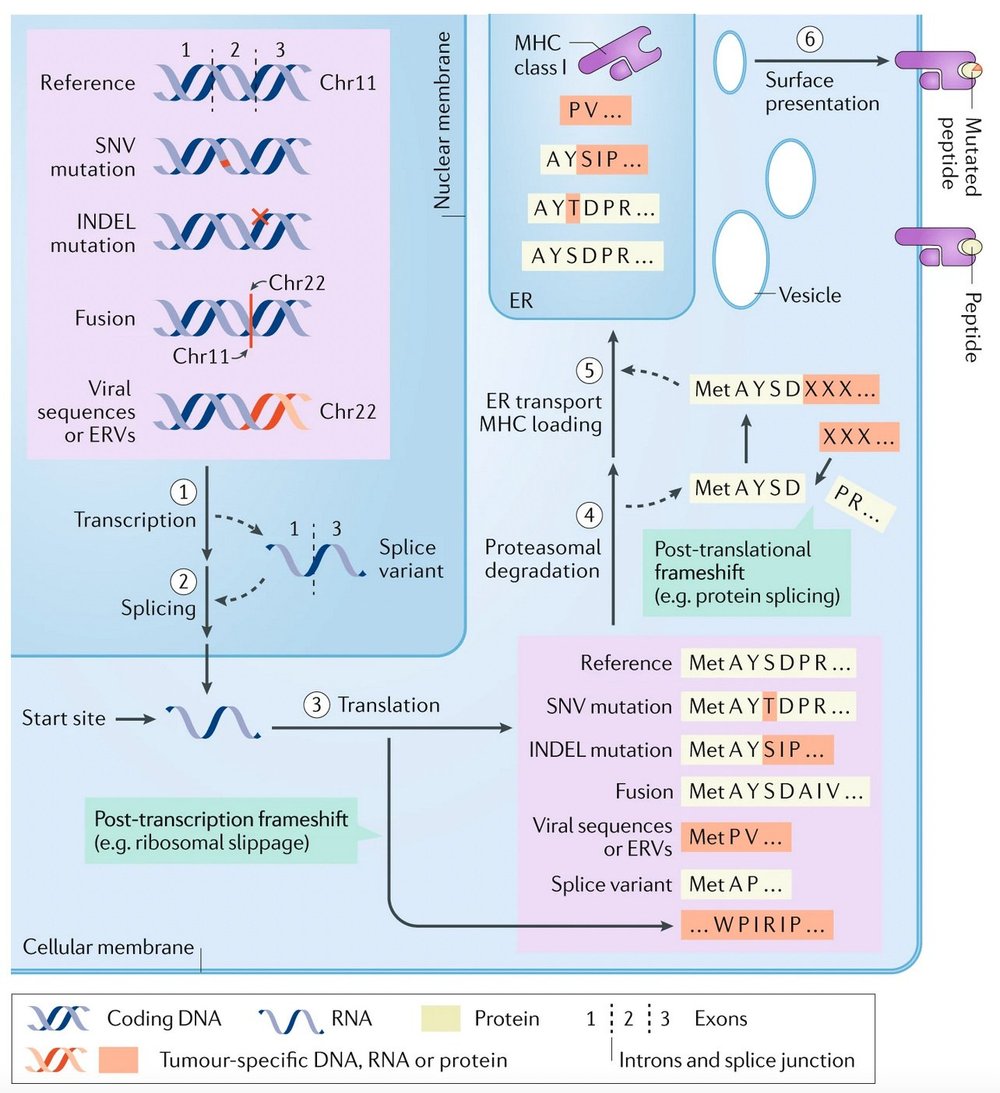
Alternative tumour-specific antigens
The most commonly studied class of tumor specific antigens are those derived from non-synonymous single-nucleotide variants (SNVs), or SNV neoantigens. To increase the repertoire of available therapeutic targets, antigens derived from mutational frameshifts, splice variants, gene fusions, endogenous retroelements and other processes are appealing. In this Opinion article, we outline the biology, available computational tools, preclinical and/or clinical studies and relevant cancers for each alternative tumor specific antigen class. We also discuss both current challenges preventing the therapeutic application of alternative tumor specific antigens and potential solutions to aid in their clinical translation.
-
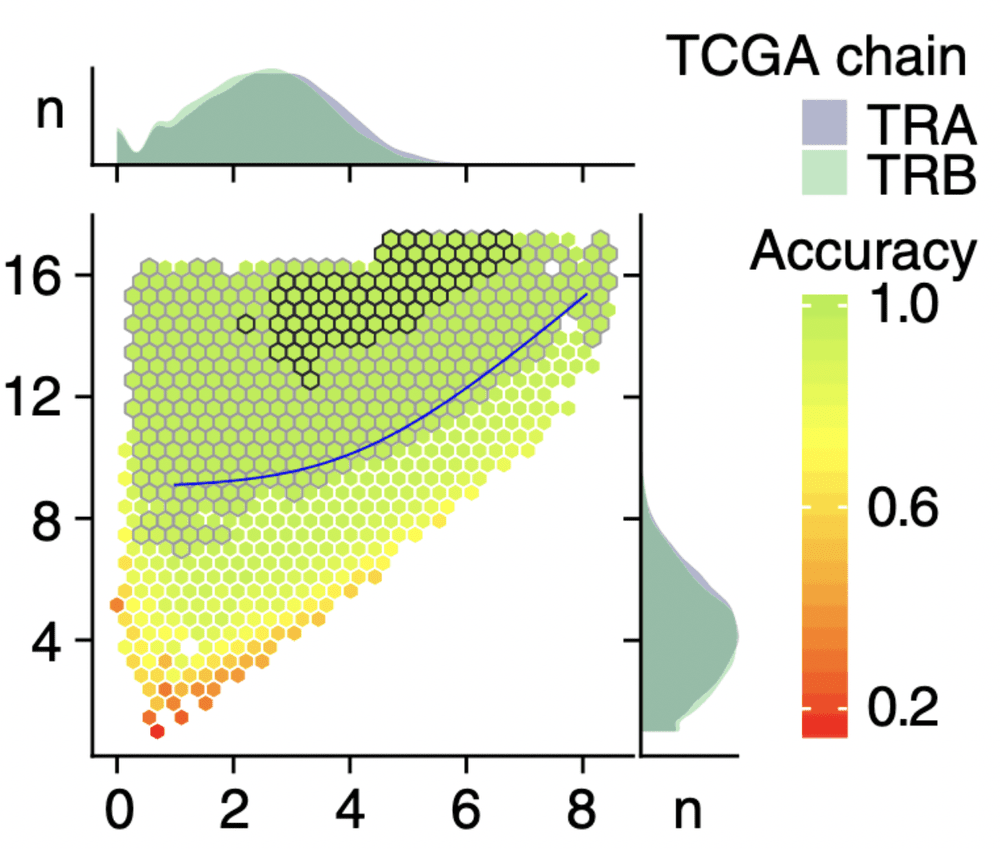
Improved T-cell Receptor Diversity Estimates Associate with Survival and Response to Anti–PD-1 Therapy
We examine the performance characteristics of methods for T-cell receptor repertoire profiling from RNA-sequencing data and found under-sampling as a prominent source of bias in diversity estimates. We then derived a model via statistical learning that attenuates bias to produce corrected diversity estimates. This modeled diversity improved discrimination in The Cancer Genome Atlas data and associated with survival and treatment response in patients with melanoma treated with anti–PD-1 therapy, where the commonly used diversity normalizations did not. These findings have the potential to increase our understanding of the tumor immune microenvironment and improve the accuracy of predictions of patient responses to immunotherapy.
-
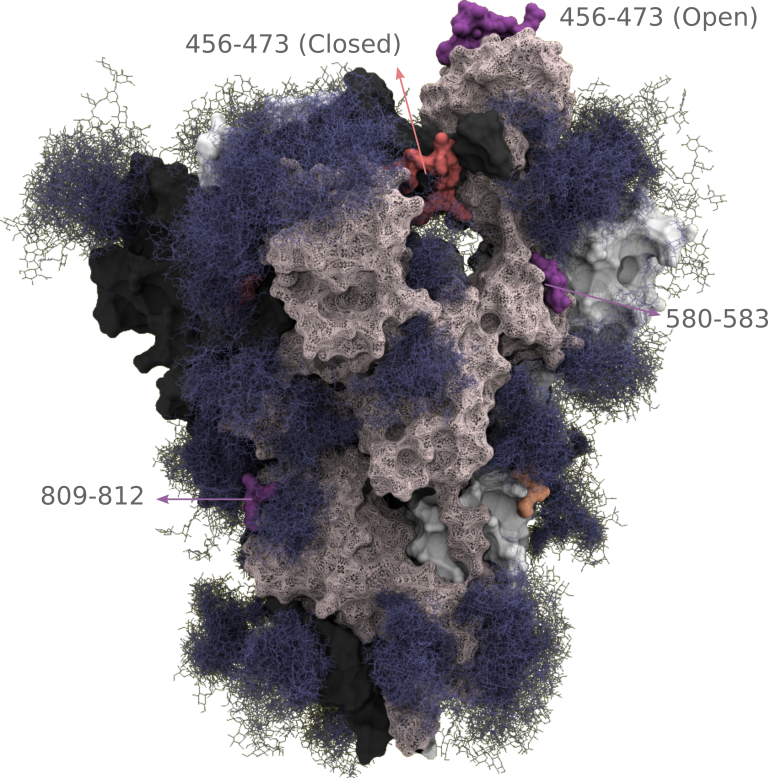
Landscape and Selection of Vaccine Epitopes in SARS-CoV-2
We combine computational prediction of T cell epitopes, recently published B cell epitope mapping studies, and epitope accessibility to select candidate peptide vaccines for SARS-CoV-2. In addition to predicted MHC affinity, candidate T cell epitopes were refined by predicted immunogenicity, viral source protein abundance, sequence conservation, coverage of high frequency HLA alleles and co-localization of CD4+ and CD8+ T cell epitopes. B cell epitope regions were chosen from linear epitope mapping studies of convalescent patient serum, followed by filtering to select regions with surface accessibility, high sequence conservation, spatial localization near functional domains of the spike glycoprotein, and avoidance of glycosylation sites. By combining B cell and T cell analyses, as well as a manufacturability heuristic, we propose a set of SARS-CoV-2 vaccine peptides for use in subsequent murine studies and clinical trials.